


It was a bit hard to find, but it was useful.
Please also post about opium poppy. Thanks.
This is the first time I've heard of maple syrup.
A review of the composition, nutritional properties, and uses of maple syrup in a healthy diet
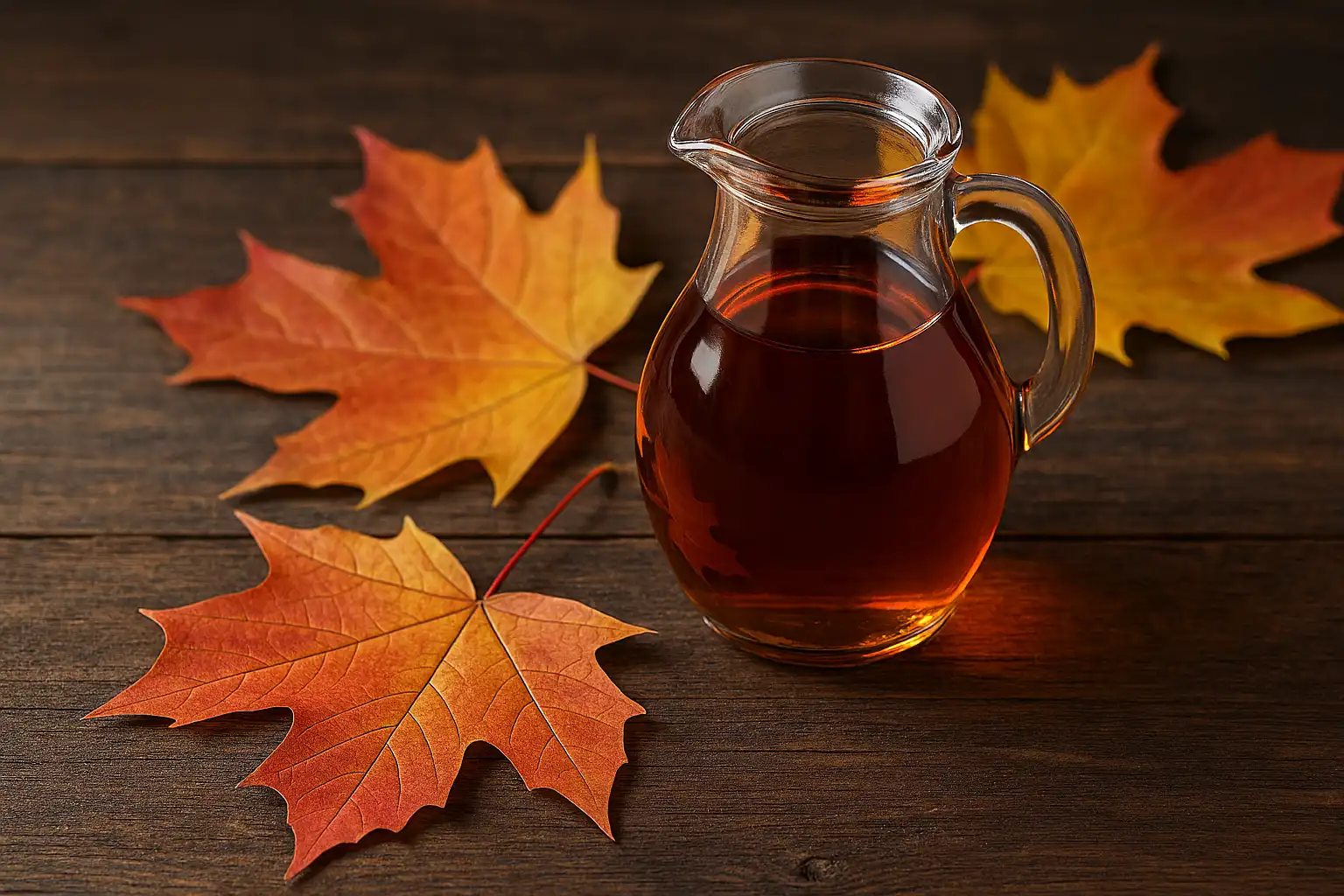
Maple syrup is a natural product derived from the maple tree. Thanks to its unique flavor, nutritional properties, and organic production process, it holds a special place in healthy diets and natural lifestyles. Unlike industrial syrups, this sweetener contains no chemical additives and is recognized as a suitable alternative to refined sugar.
Maple syrup is obtained by extracting the sap of the maple tree in the spring. After collection, the sap is evaporated to increase its concentration and become the final form of syrup. No preservatives or additives are used in this process, making it a completely natural and organic product.
| Component | Approximate Amount |
|---|---|
| Energy | 260 kcal |
| Natural sugars | 60 g |
| Manganese | 1.6 mg |
| Zinc | 0.2 mg |
| Calcium | 67 mg |
| Potassium | 212 mg |
| Antioxidants | Includes polyphenols and anti-inflammatory compounds |
Maple syrup, beyond its pleasant flavor, contains valuable nutrients that make it an excellent alternative to artificial sweeteners. Some of its key benefits include:
Rich in antioxidants such as polyphenols and anti-inflammatory compounds, helping reduce cellular damage and strengthen the immune system.
A natural source of minerals including manganese, zinc, calcium, potassium, and iron, which support bone health, enzymatic function, and electrolyte balance.
Lower glycemic index compared to white sugar (around 54), meaning it has less impact on sudden blood sugar spikes—making it more suitable for people with type 2 diabetes or those on sugar-control diets.
Free from chemical additives when pure and organic, offered without preservatives or artificial flavorings.
Mild antibacterial effect as some studies suggest maple syrup compounds may have antibacterial properties, especially when combined with other natural ingredients.
Maple syrup is used as a natural sweetener in the following ways:
Added to pancakes, waffles, or whole grain breads
Used in salad dressings, meat marinades, and granola bars
Replaced with sugar in desserts, hot drinks, and smoothies
Mixed with coffee or tea for a unique, smooth flavor
It is recommended to use maple syrup with a high purity grade (Grade A or B).
Once opened, the product should be stored in the refrigerator.
Avoid purchasing products that contain corn syrup or artificial additives.
Maple syrup, as a natural sweetener, not only offers a pleasant taste but also provides significant nutritional benefits. With its minerals, antioxidants, and favorable glycemic index, it serves as an excellent alternative to sugar in healthy diets. Mindful consumption of this product can be an effective step toward improving nutritional quality and enhancing overall health.
0 / 5. 0